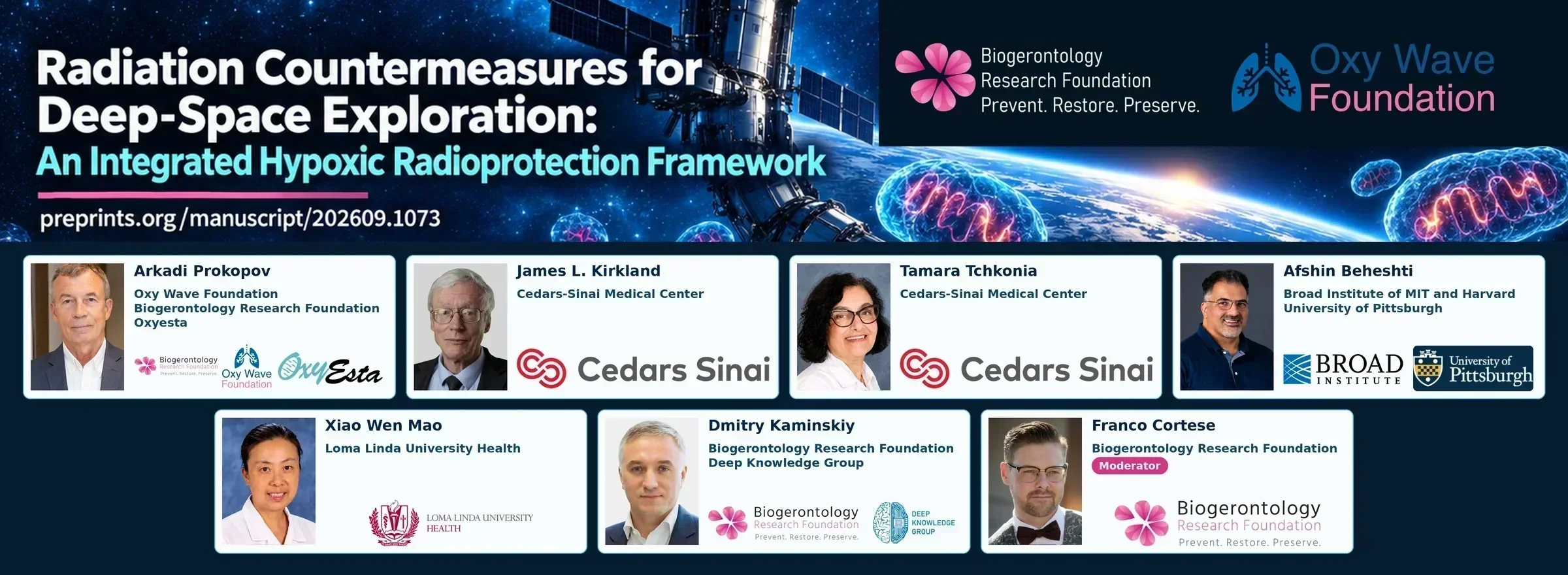
What would it take to protect astronauts from the biological consequences of long-duration spaceflight—and what could that work teach us about human health on Earth? On 28 October 2026, the Biogerontology Research Foundation and Oxy Wave Foundation convened contributing authors of a new scientific preprint to examine oxygen modulation, mitochondrial resilience and cellular senescence.
Watch the recordings
Choose an individual presentation to watch its recording below.
Short conference highlights
The conference centred on Radiation Countermeasures for Deep-Space Exploration: An Integrated Hypoxic Radioprotection Framework, posted in September 2026. Initiated by lead author and scientific advisor Arkadi Prokopov, the collaboration is led by the two foundations and brings together coauthors affiliated with NASA Johnson Space Center, Cedars-Sinai Medical Center, the University of Pittsburgh, the Broad Institute of MIT and Harvard, the Belgian Nuclear Research Centre SCK CEN, Ghent University, Loma Linda University, the University of Innsbruck, Kindai University and other institutions.
The session connected that framework with recent work from the participating researchers. Discussion ranged from preliminary observations in astronauts who flew to the International Space Station to laboratory studies of mitochondrial countermeasures, the effects of radiation on blood vessels, and the measurements needed to determine whether a protective intervention actually preserves human function.
What the webinar explored
- Engineered hypoxic habitats as a possible additional layer of astronaut radiation protection.
- Human astronaut observations linking spaceflight with senescence-associated and mitochondrial measures.
- Mitochondrial countermeasures, blood-vessel health and the need to measure preserved function.
- How space-medicine research could inform health, recovery and responses to radiation exposure on Earth.
Speakers and panel participants
- Arkadi Prokopov — Oxyesta; Biogerontology Research Foundation and Oxy Wave Foundation.
- James L. Kirkland and Tamara Tchkonia — Cedars-Sinai Medical Center.
- Afshin Beheshti — University of Pittsburgh; Broad Institute of MIT and Harvard.
- Xiao Wen Mao — Loma Linda University.
- Dmitry Kaminskiy and Franco Cortese — Biogerontology Research Foundation; Deep Knowledge Group. Cortese moderated the discussion.
Arkadi Prokopov
Oxyesta · Biogerontology Research Foundation · Oxy Wave Foundation
Do controlled applications of intermittent hypoxia exert anti-senescent effects?
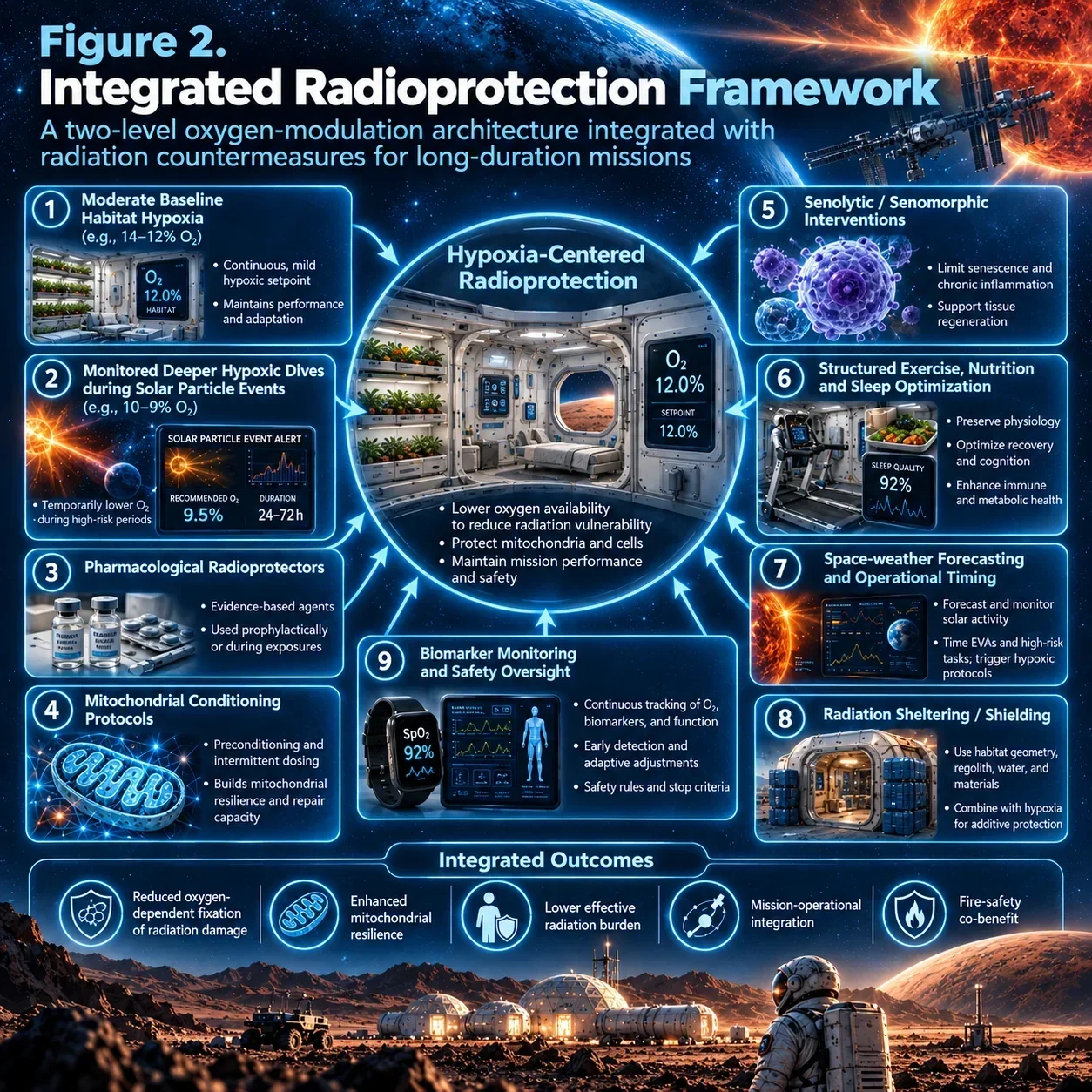
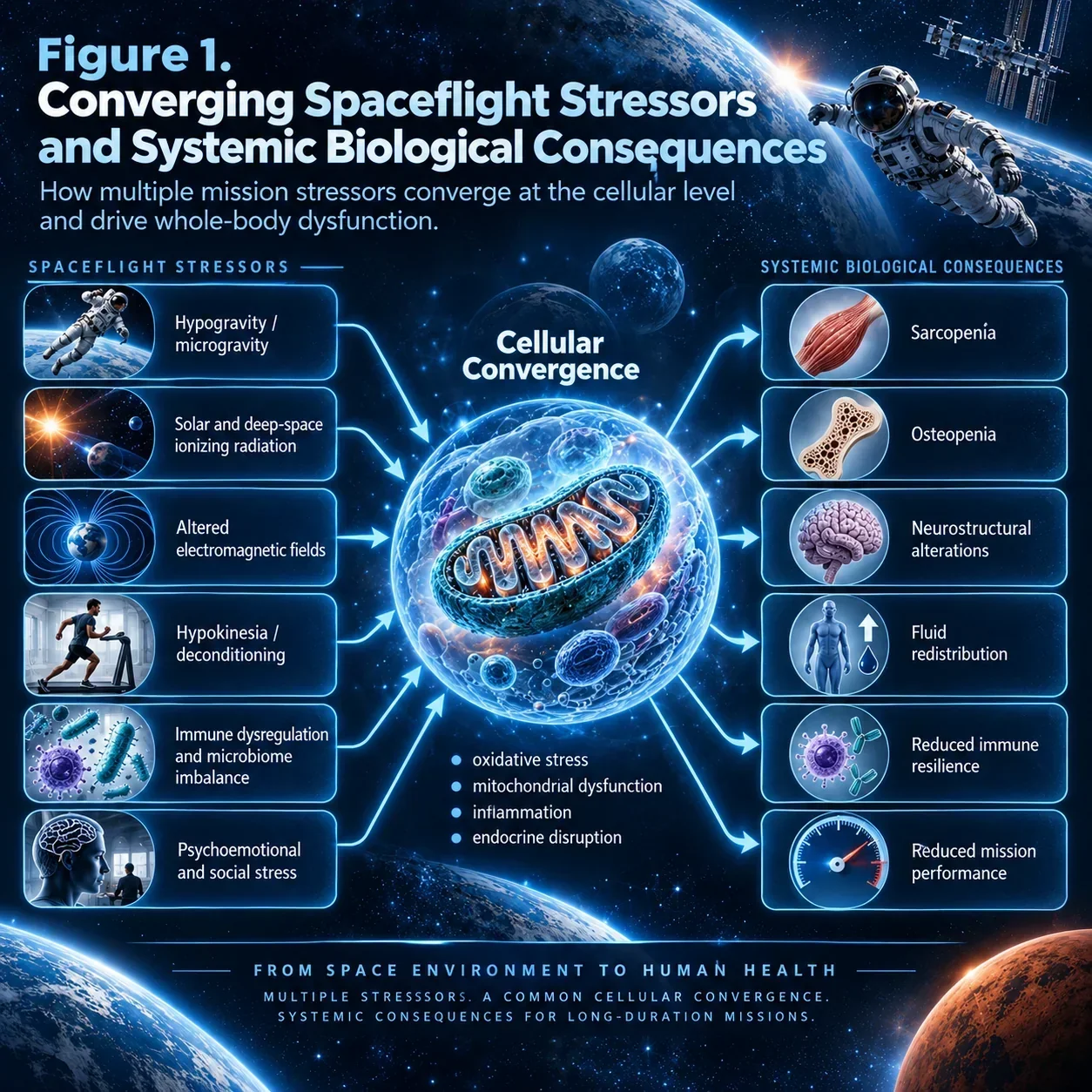
Space radiation is one part of a demanding combined environment. Altered gravity, disrupted sleep, changes in physical activity and other mission conditions can interact with radiation-related injury. The preprint asks whether the atmosphere inside a habitat could become an actively controlled component of protection, alongside shielding, dosimetry and other biomedical countermeasures.
There are two related biological questions. One concerns the oxygen-dependent chemistry of radiation damage: oxygen can help convert some initially reversible molecular injuries into more persistent damage. The other concerns adaptation: carefully controlled exposure to reduced oxygen may activate stress-response and mitochondrial quality-control processes that could influence resilience.
Watch Arkadi Prokopov’s presentation
“Adaptation to hypoxia, or hypoxic preconditioning, builds broad-spectrum protection against many stressors, and may ultimately extend healthspan.”
Arkadi Prokopov · Oxyesta · Biogerontology Research Foundation · Oxy Wave Foundation
These mechanisms need to be distinguished experimentally. A change in injury during radiation exposure is different from a beneficial adaptation built over time. Both also need to be assessed under the particle types and exposure patterns relevant to spaceflight, rather than assumed to behave identically across radiation environments.
Prokopov drew on his work with intermittent hypoxic conditioning to connect the physiological rationale with practical questions in space medicine and longevity research.
- Use controlled hypoxia as a testable part of an integrated protection system.
- Distinguish immediate oxygen-dependent injury from adaptation built through conditioning.
- Measure exposure, recovery and the ability to perform real tasks.
James L. Kirkland
Cedars-Sinai Medical Center
Cellular Senescence, Simulated Space Radiation, Senolytics, and Senescent Cell Accumulation in Astronauts
Kirkland broadened the discussion beyond prevention. Even an improved protection system may leave residual injury, so research must also ask how to identify damage after exposure and whether it can be mitigated during a mission.
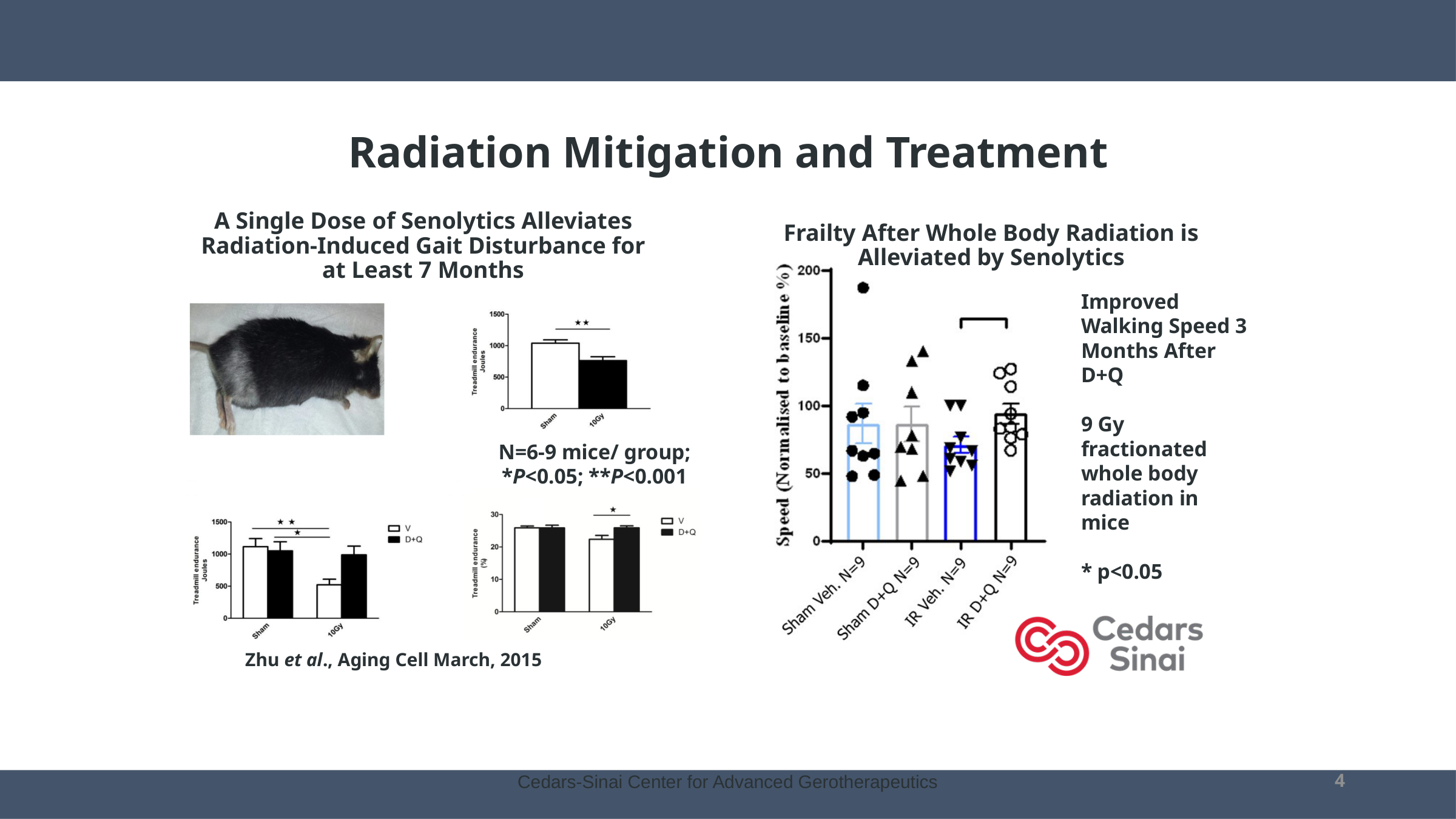
His presentation described senescence as a cellular damage response and reviewed the rationale behind senolytics: interventions designed to preferentially eliminate particular populations of senescent cells. He explained why the response can depend on the cell type, the conditions that induced senescence and the intervention being tested. Findings from one exposure or experimental system should not automatically be transferred to another.
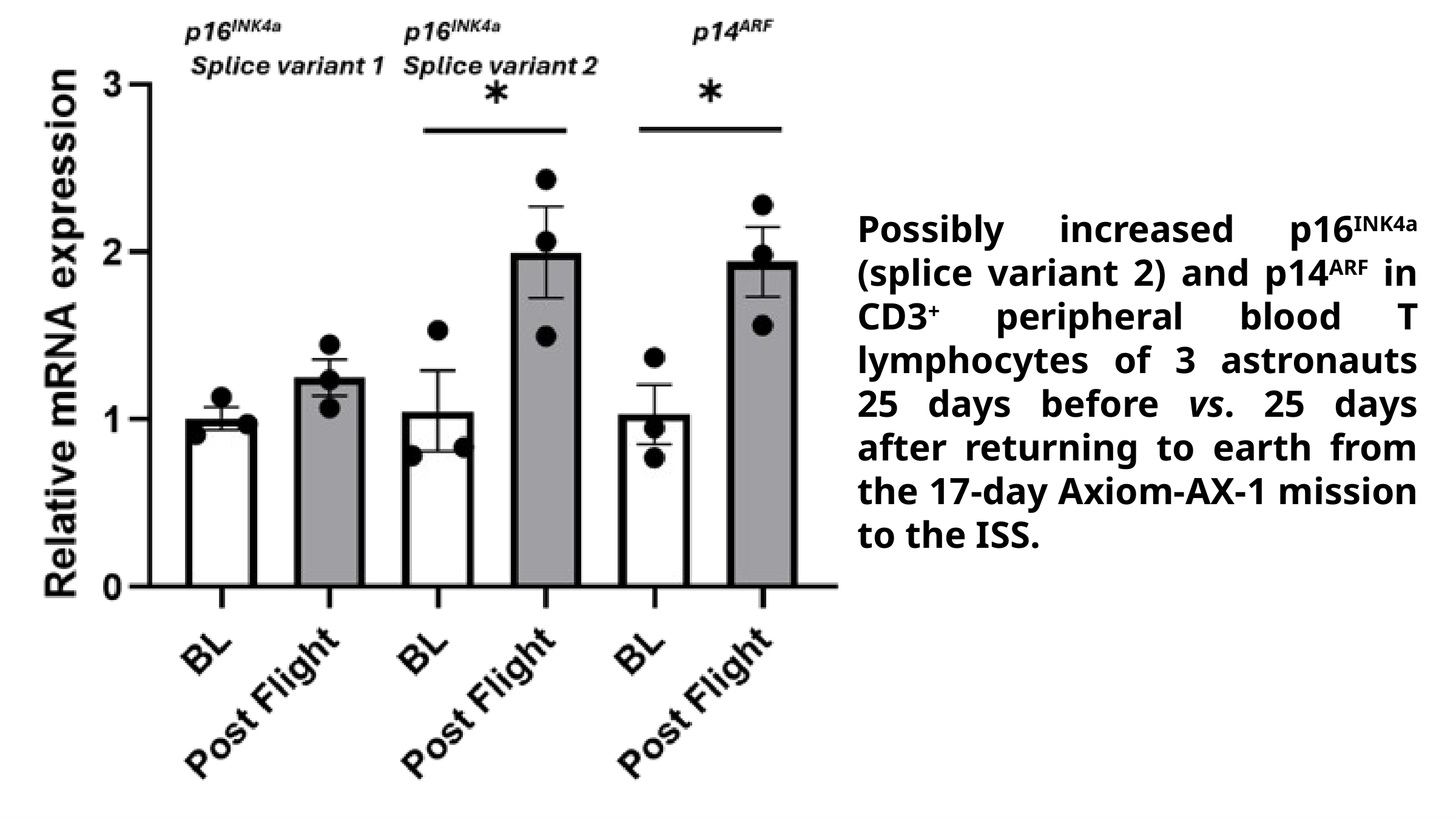
“I’d emphasize this is an N of 3. You can’t do a reliable statistical test with an N of 3.”
James L. Kirkland · Cedars-Sinai Medical Center
This leads to a concrete engineering problem. A mission needs measurements that can be made with limited equipment, sample volumes and crew time. Kirkland highlighted the potential importance of compact tools and non-invasive or minimally invasive sampling. Tchkonia also addressed the need for shared biological measures across studies: comparable measurements make it easier to establish whether different interventions are addressing the same underlying problem.
Watch James L. Kirkland’s presentation
For the foundations’ programme, this connects biological research with device development. The ability to control an exposure, record it reliably and measure the response is part of the scientific infrastructure needed to evaluate a countermeasure.
In the panel, Kirkland made the terrestrial relevance concrete: lessons from astronauts could help researchers prepare for radiation emergencies, including a nuclear power-plant accident, as well as study disorders and diseases on Earth.
- Study mitigation after exposure as well as protection before it.
- Develop compact, practical measurements for use during missions.
- Test how atmospheric conditions influence senescence in human-cell models.
Tamara Tchkonia
Cedars-Sinai Medical Center
Cellular Senescence and Astronaut Biomarkers
One of the most tangible connections between the preprint and human spaceflight is the preliminary astronaut research contributed by Kirkland, Tchkonia and their collaborators. The work examined blood samples from three participants in Axiom Mission 1, comparing measurements taken before launch with those obtained after their return.
The reported findings include changes in senescence-associated measures, inflammatory signals and circulating cell-free mitochondrial DNA. These observations link the paper’s mitochondrial and cellular-senescence themes with samples collected around an actual space mission. They also provide candidate measurements for larger studies and future countermeasure testing.
Explaining why cellular senescence can affect surrounding tissues, Tchkonia described the metabolic activity of senescent cells and their resistance to normal cell-clearance mechanisms.
Watch Tamara Tchkonia’s presentation
“They are resistant to apoptosis … and they are metabolically very active. They consume a lot of energy.”
Tamara Tchkonia · Cedars-Sinai Medical Center
Tchkonia emphasised that no single systemic measurement can establish cellular senescence on its own. A combination of cellular, circulating and functional evidence is needed. Kirkland likewise stressed the exploratory nature of an analysis involving three astronauts and the importance of recruiting more participants. The observations cannot, by themselves, separate the effects of radiation from altered gravity, cabin conditions and the other stresses of flight.
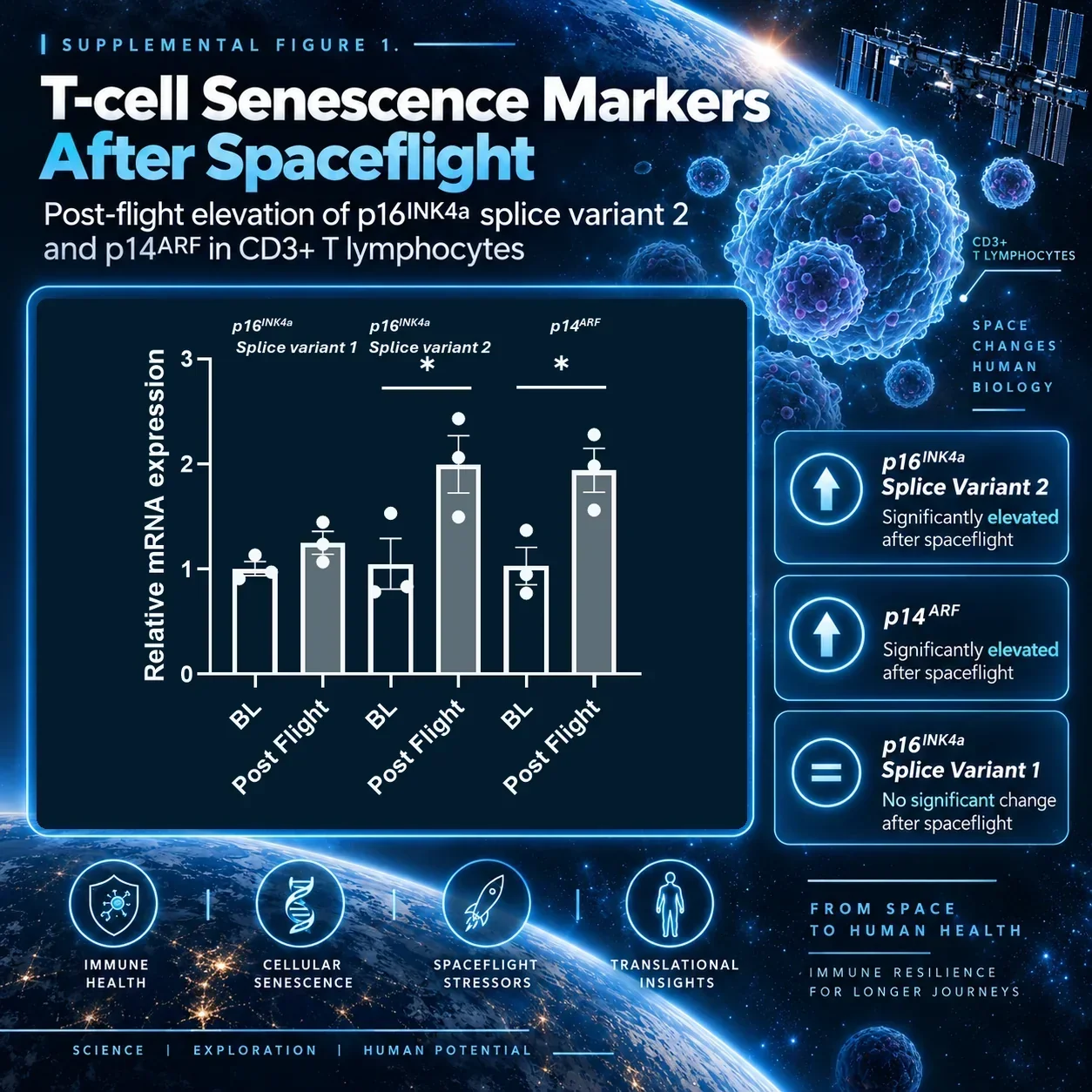
This is precisely why the human data matters as a research starting point. It helps turn a broad concern about long-term damage into a set of measurable questions: which changes persist, which tissues are affected, how well do blood measurements reflect those changes, and what would constitute convincing evidence that an intervention has helped?
- Combine multiple senescence-associated measures rather than relying on one circulating marker.
- Connect mitochondrial and inflammatory signals with cellular and functional evidence.
- Use the three-person Axiom Mission 1 observations to define questions for larger human studies.
Dmitry Kaminskiy
Biogerontology Research Foundation · Deep Knowledge Group
Radiation Countermeasures for Deep-Space Exploration: Overview of the Paper
The proposed architecture combines a moderately reduced-oxygen baseline with a temporary, more pronounced reduction during sheltered periods associated with a solar particle event. Oxygen percentage is only one variable: total pressure, oxygen partial pressure, carbon dioxide, duration, activity and individual response all affect the exposure. The central question is whether a useful biological effect can be achieved while preserving operational performance.
Kaminskiy connected the biological rationale with the requirements of a real habitat: gas control, monitoring, reliable recovery and a crew’s ability to work effectively.
Watch Dmitry Kaminskiy’s presentation
“The first concerns oxygen-dependent damage, the second concerns stress responses and mitochondrial quality control. In this research, we want to test how much each contributes under the radiation conditions astronauts actually face.”
Dmitry Kaminskiy · Biogerontology Research Foundation · Deep Knowledge Group
- Record oxygen partial pressure, total pressure, carbon dioxide, duration and workload together.
- Test moderately reduced-oxygen living conditions separately from short, deeper hypoxic exposures during sheltered periods.
- Assess biological response alongside crew performance and reliable recovery.
Afshin Beheshti
Broad Institute of MIT and Harvard · University of Pittsburgh
From Space Radiation Injury to Biological Resilience: Mitochondria-Targeted Countermeasure
Beheshti’s presentation examined mitochondrial dysfunction as a recurring feature of spaceflight biology. Drawing on multi-omics analyses and publicly available datasets across tissues and organisms, he described patterns involving energy metabolism, exposure duration, tissue sensitivity and recovery after flight.
His central connection was between mechanism and intervention. If mitochondrial disruption contributes to several downstream effects, protecting or restoring mitochondrial function becomes a practical target for countermeasure research. The relevant test is more demanding than showing that a molecule changes: researchers need to establish what happens to the tissue or organism and whether a candidate intervention improves that outcome.
“One of the big things we want to try to figure out is how to mitigate all the damage done in space and come up with novel countermeasures, which could then lead to novel therapeutics on Earth.”
Afshin Beheshti · Broad Institute of MIT and Harvard · University of Pittsburgh
Beheshti also presented experimental work involving kaempferol and mitochondrial biology, including studies using simulated space radiation and human-derived organoid models. He described beneficial effects in some of the measurements examined, together with effects that were not rescued. These findings concern experimental models; they do not establish protection or treatment efficacy in astronauts.
Watch Afshin Beheshti’s presentation
The broader value of this work is the route it opens between space biomedicine and terrestrial health. Studying a concentrated combination of stresses may reveal mechanisms and intervention targets relevant to disease and recovery on Earth. Translating those findings requires the appropriate human studies and a clear distinction between biological plausibility and demonstrated benefit.
- Compare mitochondrial responses across tissues, organisms and exposure durations.
- Evaluate candidate countermeasures against functional outcomes, including effects they do not rescue.
- Use space-biology discoveries to develop testable hypotheses for terrestrial health.
Xiao Wen Mao
Loma Linda University Health
Spaceflight and Neurovascular Health: Connecting Biomarkers with Function
Mao described research on neurovascular remodelling in the eye and brain after space radiation and spaceflight. Her contribution connected endothelial stress, blood–brain barrier integrity and the structure of the vascular network with an essential question: what does the change mean for function?
She explained that apparently normal cell density does not necessarily mean that a vessel network has retained its quality. Vessel loss, altered branching and other structural changes must be assessed against the ability of that network to support the tissue. Translating findings from rodents to humans remains a central research task.
Watch Xiao Wen Mao’s presentation
“You see vessel looping formation because of endothelial loss, vessel collapse.”
Xiao Wen Mao · Loma Linda University Health
- Measure vascular quality, topology and function alongside biomarkers.
- Determine whether observed changes persist or recover over time.
- Connect laboratory measurements with effects on cognition, vision and operational performance.
The panel’s practical questions
The discussion repeatedly returned to the experiments that would most usefully move the field forward. Participants and audience members raised questions about radiation type, chronic versus intermittent hypoxia, vascular injury, monitoring and the relationship between laboratory signals and functional outcomes.
Watch the consolidated panel discussion
- What protection is achievable against different radiation fields? The oxygen dependence of damage varies, and the high linear-energy-transfer component of the space environment remains a demanding test. Hypoxia was discussed within a combined protection strategy that retains physical and other biomedical countermeasures.
- How should exposure and recovery be designed? Prokopov distinguished monitored intermittent conditioning with recovery periods from continuous hypoxia. The panel discussed the need to evaluate duration, workload and individual physiological responses.
- Could controlled gas studies be made more systematic? Kirkland proposed high-throughput human-cell studies varying gas composition and partial pressure, potentially alongside other spaceflight-related stresses and candidate interventions.
- Do biomarker changes correspond to preserved function? Mao described work on neurovascular changes in the eye and brain, including blood-vessel structure and barrier-related measures. She emphasised the need to establish the functional significance of these findings and their translation from experimental models to humans.
“What is the effect of varying atmospheric conditions? … We do know that hyperoxia can drive senescence. We don’t know if hypoxia will mitigate it or reduce the severity of the secondary phenotype of senescent cells that can cause dysfunction … and a lot of inflammation.”
James L. Kirkland · Cedars-Sinai Medical Center
Scientific projects and the next research programme
Franco Cortese and Dmitry Kaminskiy outlined the Biogerontology Research Foundation and Oxy Wave Foundation’s scientific programme, connecting the next three to six months of work with a longer-term agenda in medical gases, mitochondrial medicine and human adaptation.
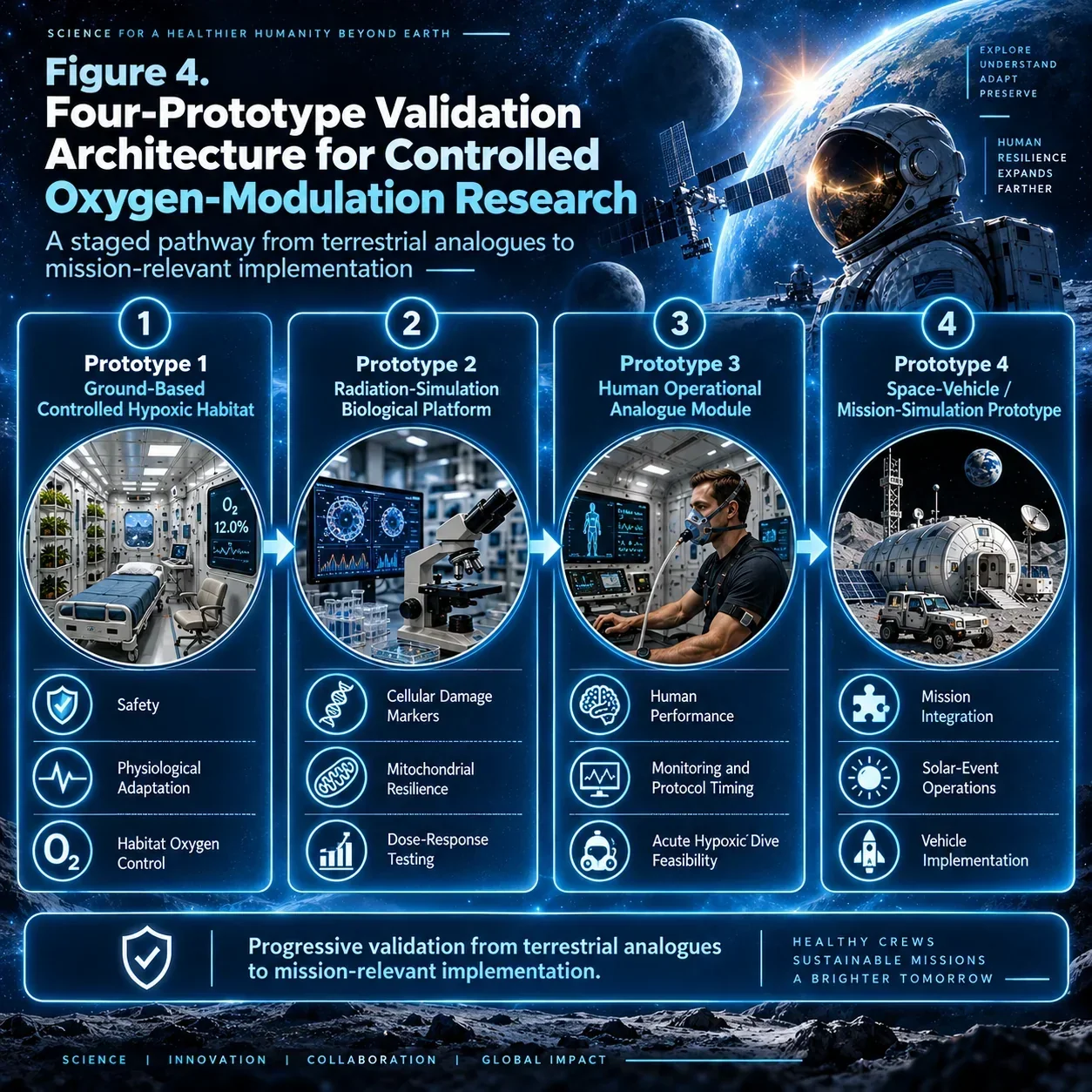
The preprint sets out four complementary test systems: controlled habitat studies, radiation-biology experiments, human operational analogues and integrated mission simulations. Together, these address whether participants can adapt, which biological injuries change, whether demanding tasks remain reliable and whether atmosphere control works with life support and emergency recovery.
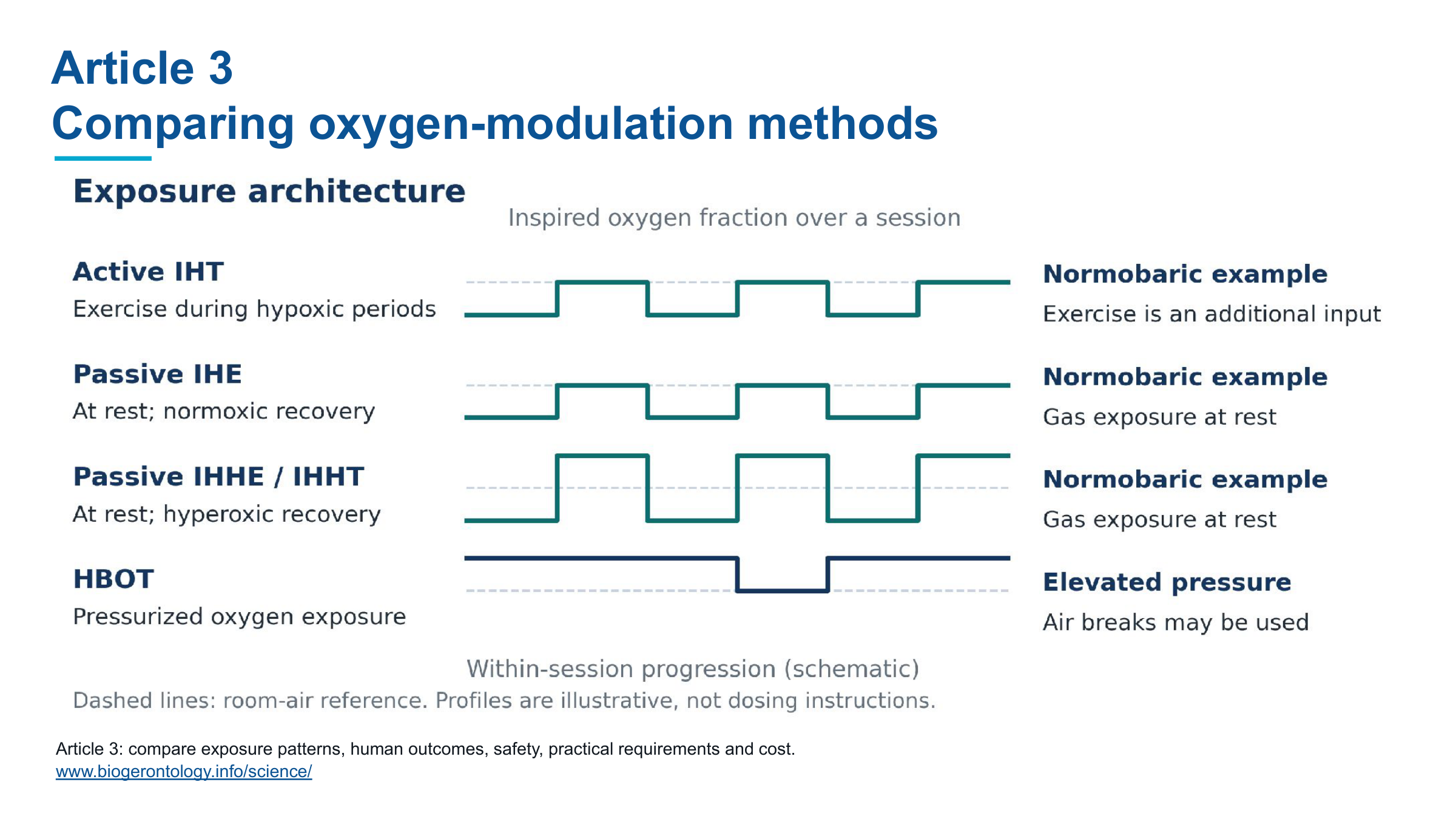
The foundations’ near-term scientific programme over the next three to six months includes a second article on controlled oxygen environments for terrestrial health and longevity, a comparative article examining intermittent hypoxic and related oxygen-based modalities, and work on neurological health and cognition. The intended progression is from the scientific rationale to specific study questions, reproducible exposure records and practical research partnerships.
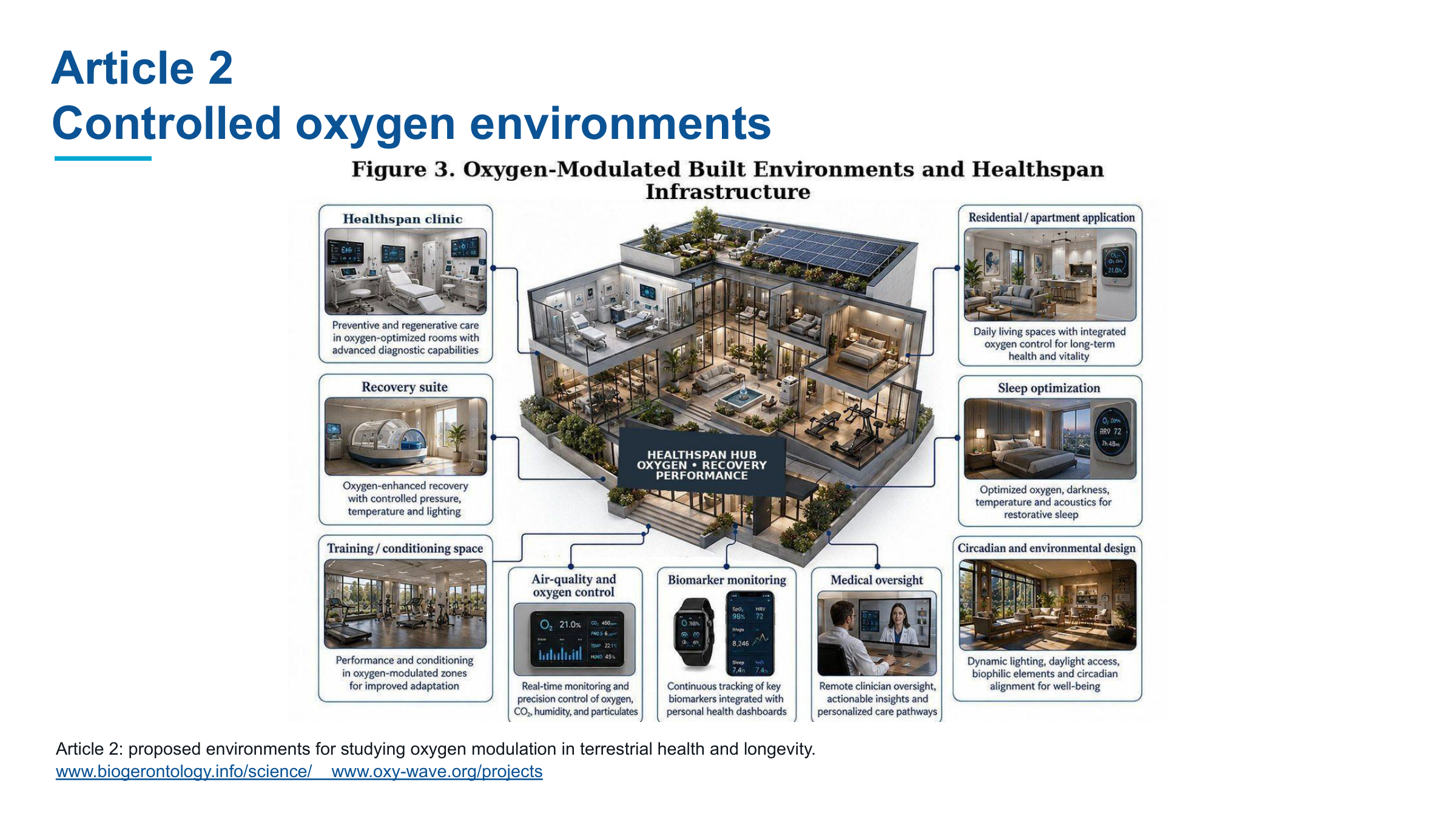
The terrestrial-environment work examines settings such as recovery, sleep, clinical research and physical training. These settings raise different questions about duration, activity and outcome measurement. The comparative work similarly needs to distinguish gas exposure at rest from exposure during exercise, recovery in normal oxygen from recovery in higher oxygen, and those approaches from hyperbaric oxygen exposure.
- Develop the terrestrial controlled-oxygen paper and comparative oxygen-modality research.
- Define reproducible exposures and useful measurements before comparative studies.
- Build focused collaborations in physiology, sensing, habitat engineering and biological testing.
Kaminskiy described a longer-term programme comparing medical-gas applications, delivery methods, devices and combinations with physical activity. He invited participation from scientists, laboratories, engineers and other organisations able to contribute specific expertise, facilities or resources. This programme connects the scientific questions with the practical systems needed to test them.
Across both time horizons, the common requirement is a complete record of stimulus and response: gas composition and pressure, sequencing and duration, workload and equipment, the participant’s relevant baseline, physiological response and follow-up. That consistency is what would make findings comparable across sites and useful beyond a single device or study.
- Compare gas composition, sequencing, dose, intensity and exposure during rest or exercise.
- Connect scientific questions with delivery systems, devices and engineering capability.
- Invite laboratories and collaborators able to contribute specific expertise, facilities or resources.
G-Project: comparing medical gases and physiological adaptation
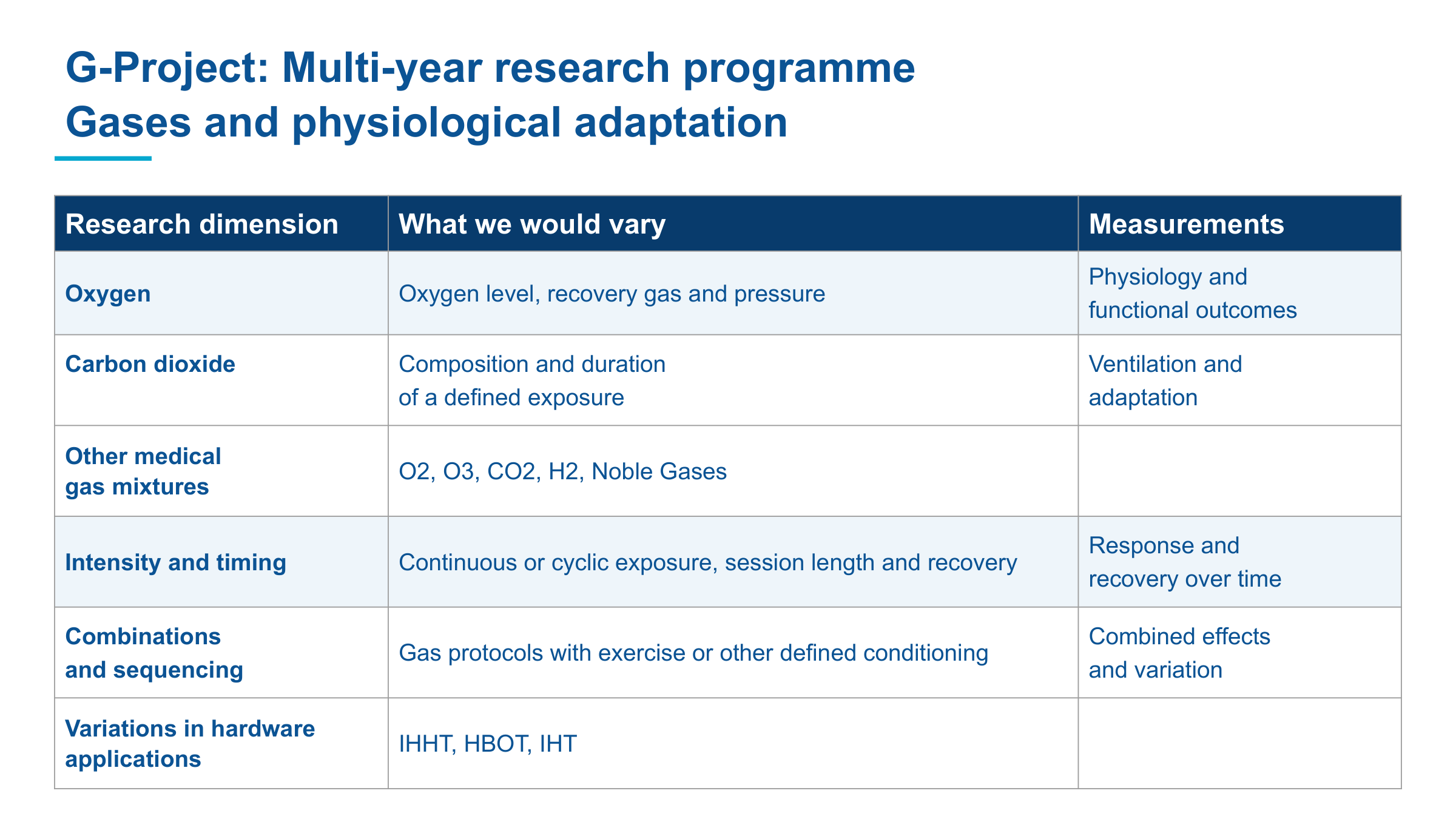
G-Project is a multi-year research programme to compare medical-gas exposures systematically. It examines gas composition, sequencing, dose, intensity, session length and recovery, including exposures at rest and during physical activity. The presentation covered oxygen, carbon dioxide and other medical-gas mixtures, together with the devices and monitoring needed to record what participants actually receive.
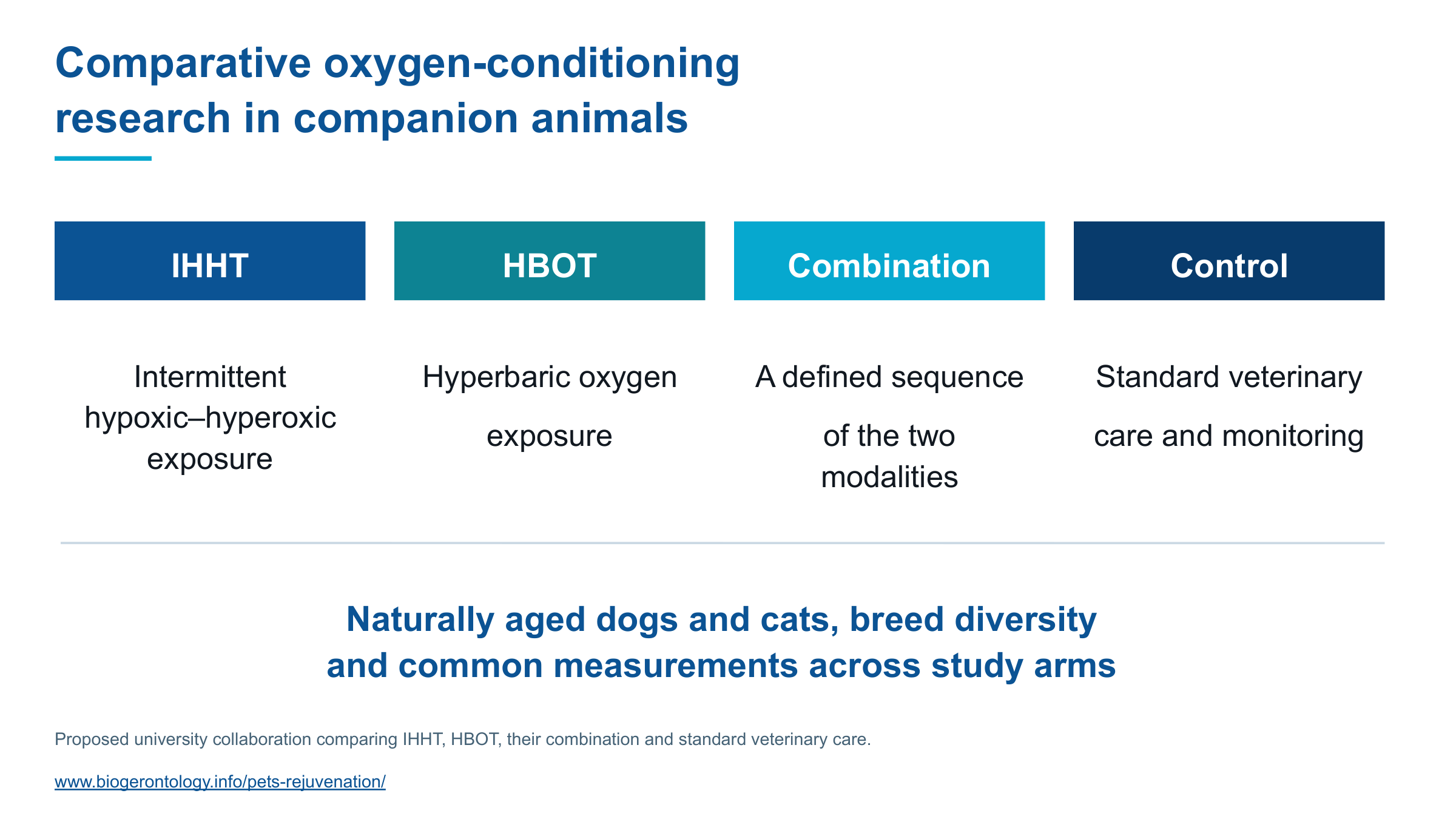
The goal is to move from individual devices and protocols towards comparable studies: the same exposure records, physiological measurements and functional outcomes across participating research sites. The programme also includes a proposed comparative study of oxygen-conditioning methods in naturally aged companion animals.
Scientific programme and collaboration opportunities
Continuing the collaboration
The conference continues a research direction that the Biogerontology Research Foundation has pursued through earlier work on radioresistance and through exchanges connecting mitochondrial research, space medicine and human longevity. The new preprint gives that collaboration a focused framework for the next stage of experimental work.
We welcome researchers and organisations with a concrete contribution to make—whether in radiobiology, mitochondrial science, senescence, human physiology, habitat engineering, gas delivery, sensing or functional assessment. Explore the Biogerontology Research Foundation’s projects and Oxy Wave Foundation’s programme, or contact us about collaboration.
Watch webinar highlights and individual contributions · Read the scientific preprint · Read the illustrated research summary · Read the press release.
The scientific paper is a preprint and has not yet been peer reviewed. The illustrations accompanying this recap are adapted from Prokopov and colleagues’ 2026 preprint and its supplementary material, credited under CC BY 4.0.
- Explore the paper and illustrated research summary to examine the proposed framework.
- Watch the webinar highlights, individual talks and panel discussion.
- Contact the foundations with a concrete research question, testing capability or collaboration proposal.